
An engagement ring is more than just jewelry—it’s a symbol of love, commitment, and a lifetime of memories. Choosing the perfect diamond for this special piece is a meaningful decision. Here’s a comprehensive guide to help you find a diamond that reflects your unique love story.
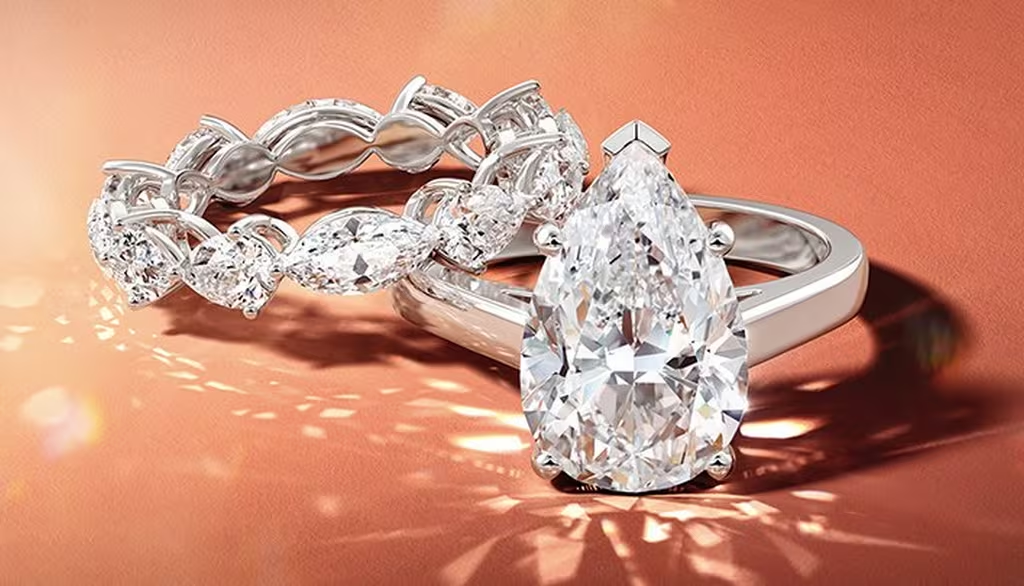
1. Understand the 4Cs
The 4Cs—Cut, Clarity, Color, and Carat weight—are the universal standards for evaluating a diamond’s quality.
- Cut: The cut determines how well a diamond reflects light, influencing its sparkle. Look for a well-proportioned cut like Excellent or Very Good for maximum brilliance.
- Clarity: Clarity refers to the absence of inclusions or blemishes. Higher clarity grades like VVS1 or VVS2 ensure a flawless appearance.
- Color: Diamonds are graded from D (colorless) to Z (light yellow). Colorless diamonds are the most valuable, but near-colorless options (G-H) can offer excellent value.
- Carat Weight: Carat measures a diamond’s size. While larger stones are impressive, prioritize cut and clarity for overall beauty.
2. Choose the Right Diamond Shape
The shape of the diamond is a matter of personal style and preference. Popular options include:
- Round: Classic and timeless, known for its brilliance.
- Princess: Modern and elegant, with sharp edges.
- Oval: A unique shape that elongates the finger.
- Cushion: Soft, romantic curves with vintage appeal.
3. Consider the Ring Setting
The setting enhances the diamond’s beauty and protects it. Common styles include:
- Solitaire: A single diamond for timeless simplicity.
- Halo: A central diamond surrounded by smaller stones for extra sparkle.
- Pavé: A band encrusted with tiny diamonds for added brilliance.
4. Balance Quality with Budget
Decide what matters most to you—size, brilliance, or clarity—and prioritize accordingly. For example:
- Opt for a slightly lower clarity or color grade to get a larger diamond.
- A well-cut diamond will always look stunning, even with minor inclusions.
5. Certification Matters
Always choose diamonds certified by reputable organizations like the GIA (Gemological Institute of America) or IGI (International Gemological Institute). A certificate guarantees the diamond’s authenticity and quality.